

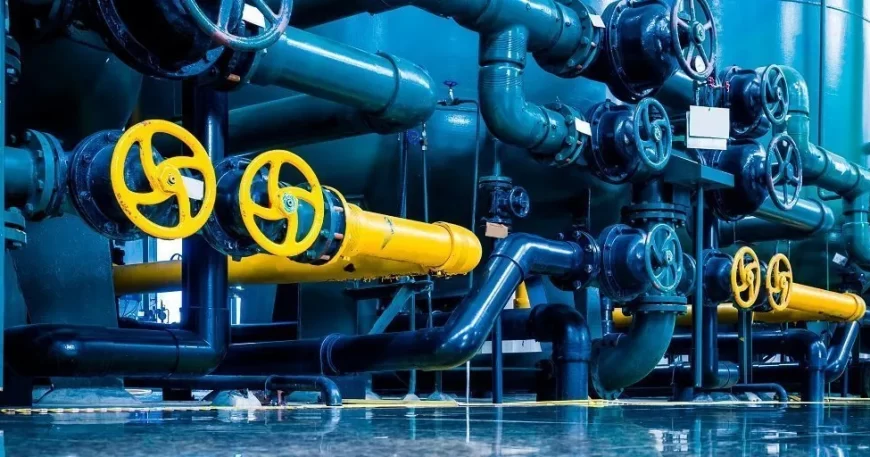
Ever wondered how massive industrial valves open and close without a person turning a wheel? That’s where valve actuators step in — the real muscle behind automated flow control. Whether it’s water treatment, oil pipelines, HVAC, or chemical plants, actuators make sure valves move exactly when and how they should. Let’s break it down in a simple, no-jargon way.
What Is a Valve Actuator?
A valve actuator is a device that operates a valve automatically. Instead of manual effort, it uses power — electric, pneumatic, or hydraulic — to open, close, or modulate the valve.
Think of the valve as a door and the actuator as the person (or robot!) opening and closing it. Without the actuator, automation simply wouldn’t exist in fluid control systems.
Why Valve Actuators Are Important
Modern industries rely on precision and speed. Manual valves just can’t keep up. Actuators help by:
- Enabling remote operation
- Improving process accuracy
- Enhancing worker safety
- Supporting automation systems
- Reducing human error
In short, they turn a simple valve into a smart control point.
Types of Valve Actuators
Not all actuators work the same way. The type used depends on application, environment, and required force.
1. Electric Actuators
These use electric motors to move the valve.
Best for: Precise control, automation systems, indoor applications
Pros:
- High accuracy
- Easy integration with PLC/SCADA
- Low maintenance
Cons: - Slower than pneumatic in some cases
- Needs power supply
2. Pneumatic Actuators
Powered by compressed air.
Best for: Fast operations, hazardous areas
Pros:
- Quick response
- Safe in explosive environments
- Simple design
Cons: - Requires air compressor system
- Less precise without positioners
3. Hydraulic Actuators
Use pressurized fluid for operation.
Best for: High-force applications like large valves
Pros:
- Extremely powerful
- Reliable in heavy-duty systems
Cons: - More complex setup
- Higher maintenance
Key Components of a Valve Actuator
Understanding the parts helps you understand how it works.
- Motor or Power Source – Provides movement
- Gear System – Converts power into torque
- Control Unit – Receives signals
- Position Indicator – Shows valve status
- Housing – Protects internal components
Together, they ensure smooth and controlled valve operation.
How Valve Actuators Work
Here’s the simple flow:
- A signal comes from a control system
- The actuator receives the command
- Motor/air/fluid power activates movement
- Torque turns the valve stem
- Valve opens, closes, or adjusts position
All this happens in seconds — sometimes milliseconds.
Quarter-Turn vs Multi-Turn Actuators
Quarter-Turn
- Used for ball and butterfly valves
- Rotates 90 degrees
Multi-Turn
- Used for gate and globe valves
- Requires multiple rotations
Choosing the right one depends on valve design.
Benefits of Using Valve Actuators
1. Automation
No need for manual handling. Perfect for modern industries.
2. Precision Control
Exact positioning improves process quality.
3. Safety
Workers don’t need to enter hazardous zones.
4. Energy Efficiency
Systems operate only as required.
5. Remote Monitoring
Check valve position from control rooms.
Industries That Use Valve Actuators
- Oil & Gas
- Power Plants
- Water Treatment
- Chemical Processing
- Food & Beverage
- HVAC Systems
- Marine Applications
If fluid flows, actuators are probably involved.
How to Choose the Right Valve Actuator
Ask these questions:
- What type of valve?
- Required torque?
- Operating speed needed?
- Environment (hazardous or safe)?
- Need for automation or manual override?
- Power source availability?
Wrong selection can cause failure, so sizing matters.
Maintenance Tips
Want a long life? Follow this:
- Regular inspection
- Lubricate moving parts
- Check seals and wiring
- Test operation cycles
- Monitor unusual noise or vibration
Predictive maintenance through smart actuators is becoming popular.
Conclusion
Valve actuators are the backbone of automated flow control. They improve safety, efficiency, and accuracy while reducing labor and downtime. Whether electric, pneumatic, or hydraulic, the right actuator transforms a basic valve into a high-performance control device. In today’s smart industrial world, they’re not optional — they’re essential.
FAQs
1. Can valve actuators work manually during power failure?
Yes, many have manual override options.
2. How long do valve actuators last?
With proper maintenance, they can last 10–20 years.
3. Are electric actuators better than pneumatic?
Depends on the application — precision vs speed.
4. Do actuators consume a lot of energy?
No, only during operation.
5. Can actuators be used outdoors?
