

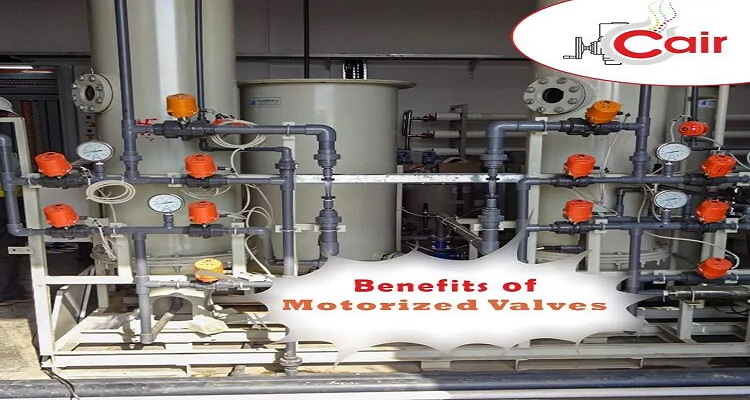
Motorized Valves
Benefits of Motorized Valves
Motorized valves are like the silent managers of modern industrial systems. You don’t see them often, but trust me — they’re doing a lot of heavy lifting behind the scenes. From controlling water flow in treatment plants to managing fuel in oil refineries, these smart valves make operations smoother, safer, and more efficient. If you’ve ever wondered why industries are shifting from manual valves to motorized ones, you’re about to find out.
Motorized Valves
What Are Motorized Valves?
A motorized valve is basically a valve that uses an electric motor to open, close, or regulate flow. Instead of someone physically turning a handle, the motor does the job. Think of it like switching from a hand fan to an air conditioner — same purpose, way more comfort and control.
How They Differ from Manual Valves
Manual valves depend on human effort. That means delays, inconsistencies, and sometimes safety risks. Motorized valves? Push a button, send a signal, or let automation handle it. They respond instantly and accurately. No guesswork.
How Motorized Valves Work
Key Components
Motorized valves might sound complex, but their design is actually straightforward.
Actuator
This is the muscle. It converts electrical energy into motion that moves the valve.
Valve Body
The body controls the fluid or gas flow. It’s the gatekeeper.
Control System
This is the brain. It sends signals to the actuator telling it when and how much to move.
Together, they work like a coordinated team.
Major Benefits of Motorized Valves
Improved Efficiency
Motorized valves react quickly and precisely. No more over-opening or under-closing. Systems run exactly as required, reducing waste and improving productivity.
Remote Operation
Imagine controlling valves located kilometers away — from a control room. That’s not sci-fi. That’s everyday reality with motorized valves. This reduces the need for onsite labor and speeds up operations.
Precise Flow Control
Need 37% flow instead of 100%? Done. Motorized valves allow fine-tuned adjustments, which is crucial in chemical processing, HVAC, and water systems.
Enhanced Safety
Hazardous environment? No problem. Since they can be operated remotely, workers avoid exposure to heat, pressure, or toxic gases.
Energy Savings and Cost Reduction
Reduced Labor Costs
Fewer workers needed for manual adjustments means lower operational costs. Automation does the repetitive tasks.
Lower Energy Consumption
Precise control means pumps and systems don’t overwork. That translates directly into energy savings.
Reliability and Durability
Less Wear and Tear
Because movements are controlled and consistent, motorized valves experience less mechanical stress compared to manual force operations.
Consistent Performance
They don’t get tired, distracted, or inconsistent. Once programmed, they perform the same way every time.
Automation and Smart Integration
IoT Compatibility
Modern motorized valves can connect to IoT systems. That means real-time monitoring, predictive maintenance, and performance tracking.
Integration with Control Systems
SCADA, PLCs, and DCS systems easily integrate with motorized valves, creating a fully automated process environment.
Applications of Motorized Valves
Water Treatment Plants
They regulate water flow, chemical dosing, and pressure automatically.
Oil and Gas Industry
Used in pipelines, refineries, and offshore platforms where safety and precision are critical.
HVAC Systems
Control heating and cooling efficiently in commercial buildings.
Manufacturing Plants
Ensure consistent production conditions.
Environmental Benefits
Reduced Waste
Accurate control means fewer leaks and less product loss.
Better Resource Management
Energy, water, and raw materials are used more efficiently.
Comparison with Other Valve Types
Manual valves are cheaper initially but expensive in the long run. Pneumatic valves are fast but need compressed air systems. Motorized valves strike the perfect balance — precision, automation, and cost-effectiveness.
Installation and Maintenance Benefits
They require less frequent maintenance due to controlled operation. Diagnostics in smart models even alert you before failure happens.
Future of Motorized Valve Technology
Expect AI-based controls, better sensors, and smarter diagnostics. The future is fully automated, self-optimizing systems.
Conclusion
Motorized valves are not just upgrades — they’re game changers. They improve efficiency, boost safety, reduce costs, and support automation. In a world moving toward smart industries, these valves are essential tools, not optional luxuries.
FAQs
1. Are motorized valves expensive?
They cost more upfront but save money long-term through efficiency and reduced labor.
2. Can motorized valves be used outdoors?
Yes, many are designed for harsh environments.
3. Do they require constant power?
Only during operation, not all the time.
4. Are they suitable for small systems?
Absolutely. They’re used in both small and large setups.
5. How long do motorized valves last?
With proper maintenance, they can operate reliably for many years.
